13
Jan
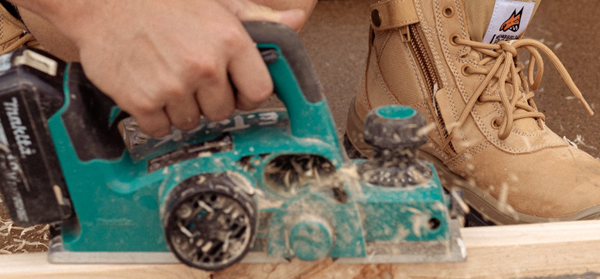
Long days on the job can leave your feet aching, sore, and completely exhausted, especially if your footwear isn’t up to the task. The right pair will keep you comfortable, supported, and protected despite the challenges at your workplace. I’ll go through the essential components, key technologies, and practical considerations so you can find a pair that’s built to last. With the right footwear, you’ll protect your feet and tackle your shift with confidence.

Choosing between steel-toe and soft-toe footwear comes down to how much protection you need. If your job puts you around heavy equipment, falling objects, or unpredictable environments, safety should always come first. That’s where you need durable boots with a steel toe for mens. They can handle serious impact and crushing force, which makes them a reliable option on construction sites, warehouses, and industrial settings. The trade-off is weight. Because the toe cap is made of metal, these boots can feel heavier, and they can also react to extreme temperatures, feeling cold in winter and warm in summer.
On the other hand, soft-toe footwear offers comfort and flexibility. Without a reinforced toe cap, they’re noticeably lighter and easier to move in, which can make a big difference if you’re on your feet all day or doing work that requires a lot of bending and walking. They also tend to have a sleeker shape. That said, they don’t offer protection from impact or compression, so they’re best suited to roles where those risks are minimal, and a safety toe isn’t required.
Ultimately, the right choice depends on your work environment and what you need to get through the day comfortably and safely. Some people are happy to accept extra weight for peace of mind, while others prioritise ease of movement when hazards are low. Consider these differences to pick a pair you can rely on without second-guessing every step.

The components of men’s safety toe boots play a big role in how they feel on your feet, how long they last, and how well they perform in your work environment. From the materials wrapping your foot to what’s touching the ground, construction details matter. When you understand these basics, it’s much easier to pick the right pair. Here are the key elements you should pay attention to.
The upper is what surrounds your foot and adds structure and style to a pair of boots with a steel toe for mens. Full-grain leather is a favourite for tough jobs because it’s incredibly durable and ages beautifully over time. Split grain or suede options are softer and lighter, often paired with mesh for breathability. These materials feel more comfortable in warmer conditions. Nubuck offers a nice middle ground. It gives you a suede-like look with added strength and water resistance. Synthetic uppers, like nylon or polyester, are lighter still and great if your job demands speed and flexibility rather than maximum toughness.
Sitting between the upper and outsole, the midsole offers comfort and stability. EVA cushioning feels soft and supportive underfoot, which is great if you’re standing or walking all day, though it may compress over time. Polyurethane midsoles are denser and hold their shape longer. These are a solid choice for heavy use. Some designs also include a shank, which adds extra support, balance, and protection from sharp objects underfoot.
What are work boot outsoles made of? The outsole is your connection to the ground, so traction is highly important. Rubber outsoles are popular because they grip well, flex naturally, and perform on uneven surfaces. Tread patterns also make a difference. Deeper, wider lugs add stability, while finer patterns help shed mud and debris. Slip-resistant soles are especially important if you work on slick floors or around spills.
When you’re shopping for men’s steel toe shoes, it’s important to look at the extra features. These details can protect you from specific hazards and keep you comfortable through long, demanding work. Knowing what each feature does helps you choose footwear that works for your environment, not against it.
Men’s safety toe boots that feel fine for five minutes in the store can turn into a problem after hours on your feet. Make sure to measure your feet accurately, including width, so you have a much better starting point. It also helps to remember that feet naturally swell as the day goes on, which is why trying shoes on later in the afternoon often gives a more realistic feel.
The socks you plan to use every day can change how snug or roomy a pair feels, and a good insole can make it more comfortable and supportive. When you’re testing a new pair, walk around and pay attention to how your heels and toes feel. You want space to move without sliding or pinching. A little stiffness at first is normal, especially with sturdy materials, but anything that feels wrong right away usually won’t improve over time.