13
Oct
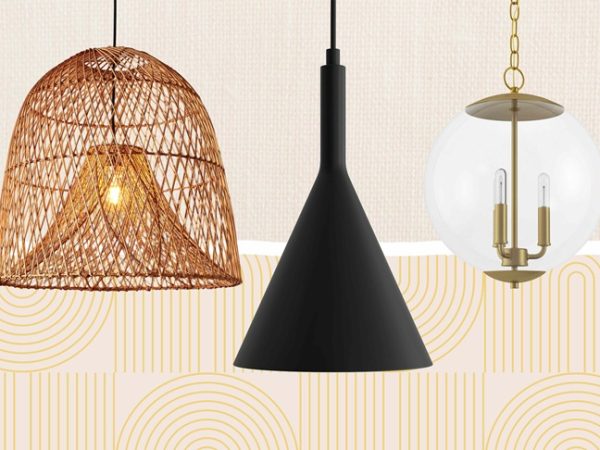
The dining table is often the emotional centre of the home. It’s where everyday meals become conversations, where guests gather and where celebrations can stretch well into the evening. Because of this, lighting above the table needs to do more than make a room bright. The right pendant can anchor the dining area, establish its atmosphere and become one of the most noticeable design features in the space.
Choosing one, however, is not simply a matter of finding a shape or finish you like. The size of the fixture, its relationship to the dining table, hanging height, bulb colour, ceiling height and surrounding furniture all influence how successful the finished look will be. Once you understand a few basic principles of proportion, placement and illumination, it becomes much easier to narrow down your options and create a dining space that feels both stylish and comfortable.
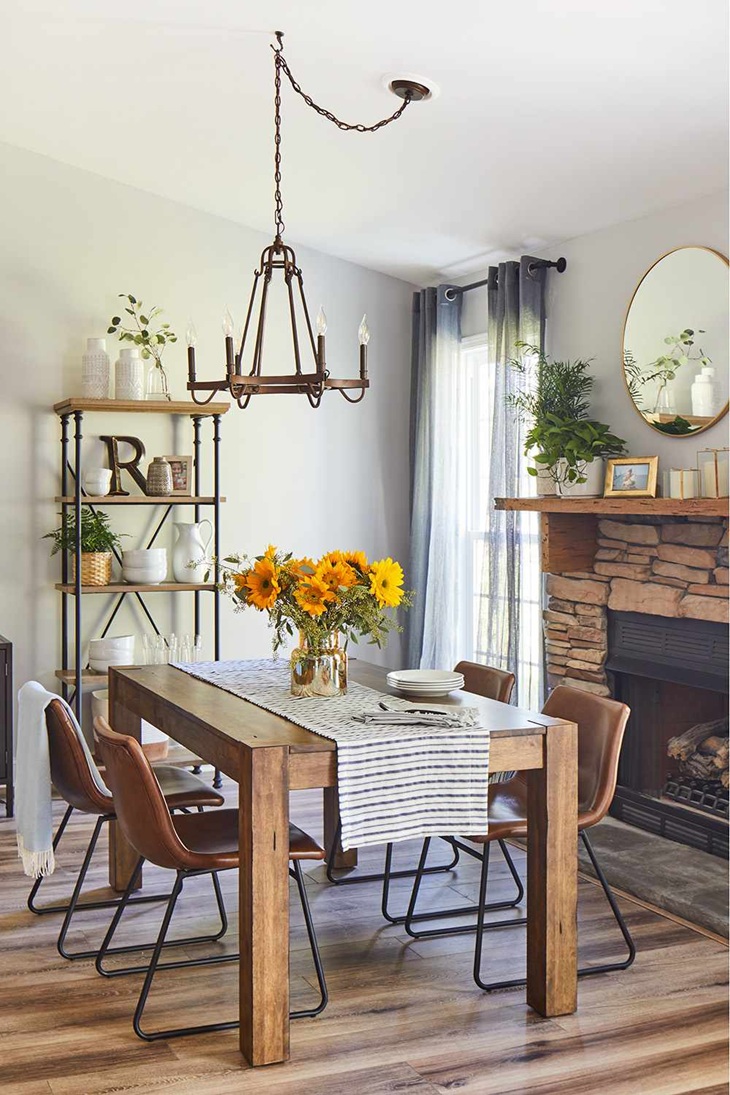
Pendant lighting comes in an enormous range of shapes, sizes and materials, so it helps to understand the main styles before choosing a fixture. The right option will depend not only on your interior style but also on the size and shape of your table.
A modern dining light pendant with a single shade is a versatile choice for smaller dining areas and round tables. Dome, globe, drum and bell-shaped designs can create a defined focal point without introducing too much visual complexity. A single pendant can also work particularly well when the dining table sits in an open-plan kitchen or living area, as it visually identifies the dining zone.
For a larger rectangular table, linear pendant fixtures can provide more even illumination across the entire surface. Rather than concentrating light in the centre, a long fixture spreads illumination along the table length. This makes it particularly practical for six- or eight-seater dining tables where a single small pendant might leave the ends of the table in shadow.
You can suspend several small lights together at different heights or arrange them in carefully spaced groups. This approach adds visual interest and works especially well in contemporary and eclectic interiors. Clustered fixtures can also provide greater flexibility when you want to make a statement without committing to one very large shade.
Multi-light pendants sit somewhere in between a traditional single pendant and a cluster arrangement. Several bulbs or shades are incorporated into one fixture, creating a balanced composition while maintaining a cohesive appearance. They can be useful above longer tables where you need broader light coverage.
When deciding between these options, consider the table first rather than choosing the light in isolation. A fixture should look as though it belongs to the table beneath it. The two should feel connected in scale and shape rather than competing for attention.
One of the most common mistakes when selecting a dining light pendant is choosing a fixture based purely on its appearance in a showroom or online photograph. A pendant may look substantial on its own but appear surprisingly small once installed above a large dining table. Proportion is therefore one of the most important considerations.
A useful starting point is the diameter rule: aim for a pendant that is approximately one-half to two-thirds the width of your dining table. This provides enough visual presence for the fixture to feel intentional without allowing it to dominate the furniture below.
For example, if your table is 100cm wide, a pendant approximately 50- 67 cm wide may provide a balanced starting point. For a table measuring 120cm wide, a fixture around 60- 80 cm could work well, depending on the design of the pendant.
This is a guideline rather than an inflexible formula. A delicate glass globe and a bulky metal dome measuring the same diameter will have different visual weights. A large open-frame pendant may also feel considerably lighter than a solid enclosed shade of the same dimensions.
The length of the table matters just as much as the width. A long rectangular table may need a linear fixture or multiple pendants to distribute light effectively. Placing one relatively small pendant directly in the middle can create a strong focal point, but it may not provide enough illumination at either end.
Round tables are generally more forgiving. A single central pendant often creates a natural visual relationship with the circular tabletop. You can also use a group of smaller pendants to create a layered effect, particularly if the room has a generous ceiling height.
Once you’ve chosen a fixture with the right scale, the next question is where to hang it.
Pendant height affects everything from visibility across the table to the amount of light reaching the dining surface. If it is too high, it can lose some of its visual impact and may not provide sufficient focused illumination. If it is too low, it can obstruct conversation, interfere with sightlines and make the room feel cramped.
The commonly recommended clearance is 76- 91 cm between the bottom of the pendant and the top of the dining table. This measurement is a useful starting point for most standard dining rooms.
A particularly large or visually heavy fixture may look slightly higher, especially if lowering it would make the table feel crowded. Conversely, a small, lightweight pendant may work beautifully closer to the lower end of the range.
The most important consideration is that the pendant should not interfere with everyday interaction. You should be able to sit across from another person and maintain a comfortable distance without constantly looking around the fixture.
A dining room should not rely entirely on the pendant above the table. Although the pendant provides the primary focal light, the most comfortable spaces typically combine several sources of illumination.
Think about lighting in layers. The pendant provides focused light over the dining table, while ceiling dining hanging lights, wall lights, floor lamps or nearby kitchen lighting can contribute softer ambient illumination. This prevents the dining table from becoming a brightly lit island surrounded by a dark room.
Bulb colour temperature is another important consideration. For dining spaces, warm white light around 2700K to 3000K generally creates a welcoming atmosphere. Warmer light can make the room feel more relaxed and intimate, which is particularly appropriate for evening meals and entertaining.
Cooler colour temperatures can feel more energetic and functional, but they may not create the same relaxed dining atmosphere. If your dining area is also used for working, studying or other daytime activities, you may want to consider how the lighting will function throughout the day rather than choosing a setting purely for evening ambience.
A dimmer switch can significantly make a difference to the versatility of your dining lighting.
During the day, you may want brighter illumination when using the table for reading, working, crafts or homework. During dinner, however, full brightness may feel unnecessarily intense. Lowering the light level creates a softer atmosphere without requiring a completely different lighting arrangement.
Dimming also allows the same fixture to adapt to different occasions. A family breakfast, formal dinner and evening drinks can each have a different lighting mood, even though the pendant itself remains unchanged.
Before installing a dimmer, check that your chosen bulbs and fixture are compatible with dimming. LED bulbs in particular can have different compatibility requirements, so it is worth checking the manufacturer’s specifications rather than assuming every bulb will work with every dimmer.
Once the practical considerations are established, you can focus on aesthetics. Your dining pendant does not necessarily have to match every other light fitting in the home. Instead, look for relationships between materials, shapes, colours and finishes.
Modern interiors often suit clean-lined pendants with simple geometric forms. Black metal, smoked glass and streamlined silhouettes can create a contemporary appearance without adding unnecessary visual clutter.
Industrial interiors can accommodate exposed bulbs, aged metal, steel finishes and robust structural details. These designs can introduce character while reinforcing an architectural feel.
For transitional or more traditional spaces, brass, bronze, opal glass and softly shaped shades can bridge classic and contemporary elements. The result can feel considered without appearing overly formal.
If your dining room already contains bold furniture or artwork, a simpler pendant may be the better choice. On the other hand, a relatively understated room can benefit from a sculptural fixture that becomes the main visual feature.
The key is to consider visual weight. A solid black pendant, for instance, will naturally attract more attention than a transparent glass globe. Neither is inherently better; they create different effects.
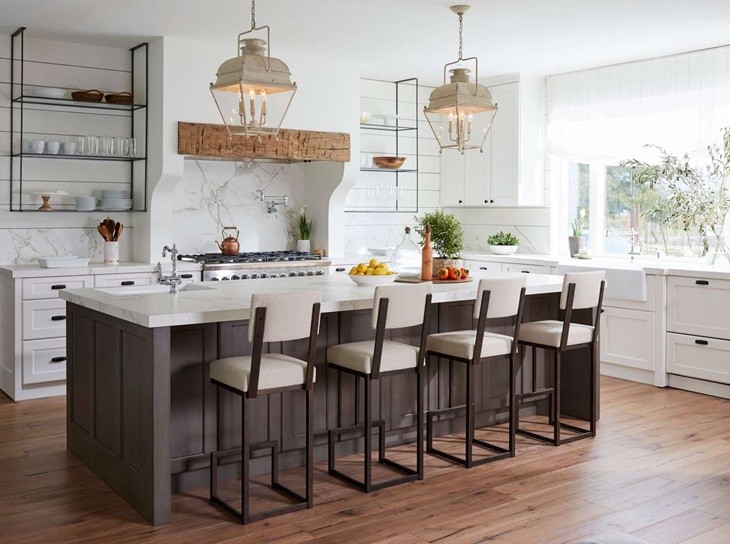
The ideal position for a pendant is generally centred over the dining table rather than centred within the room.
This distinction becomes especially important in open-plan homes. The dining table may sit away from the geometric centre of the room overall, and the light fitting should follow the furniture arrangement rather than the room’s architectural centreline.
If the table is positioned beneath an existing electrical point that cannot be moved, there are several ways to address an offset. Depending on the fixture and ceiling structure, a longer suspension, arrangement or ceiling-mounted adjustment may allow you to centre the pendant over the table visually.
For rectangular tables, ensure the fixture or group of fixtures is centred along both the length and width of the table. If using multiple pendants, spacing is just as important as their individual size. They should feel like one coordinated arrangement rather than several unrelated lights.
Dining room hanging lights should also be considered in relation to surrounding furniture. Leave enough breathing room between the pendant and nearby cabinets, shelving, artwork or tall plants. A fixture that looks perfect when viewed directly above the table may feel crowded once you consider everything around it.
Glass is particularly versatile because it can create a sense of openness. Clear glass shades allow the bulb and surrounding space to remain visible, making them useful in smaller rooms where a solid shade could feel visually heavy.
Ribbed or textured glass adds another layer of detail while still maintaining some transparency. Smoked glass can add depth and a moodier appearance, although it may reduce the amount of direct light produced by the fixture.
Metal finishes provide stronger visual definition. Polished brass can introduce warmth and a touch of classic character, while matte black works particularly well in contemporary and industrial interiors. Brushed finishes can offer a softer alternative when a highly reflective surface would feel too bold.
Rather than matching every metal in the room perfectly, consider repeating a finish once or twice elsewhere. A brass pendant could connect visually with cabinet hardware or furniture details, creating cohesion without making the room look overly coordinated.