01
Dec
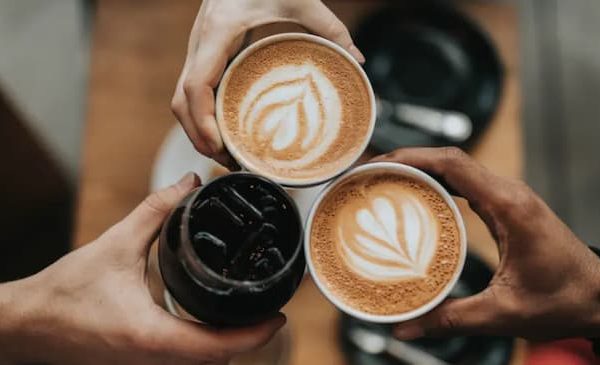
Some evidence suggests that drinking regular coffee offers a number of potential health benefits, such as lowering the risk of type 2 diabetes and liver and heart disease. Many love their daily cup not only for the flavour but also for the boost it gives them. Yet, there is a rapidly growing number of coffee lovers who do not enjoy the jittery or restless feeling that comes with caffeine. For them, decaf has quietly become the perfect middle ground. It offers the comfort, aroma, and taste of coffee without the intensity of a caffeinated hit.
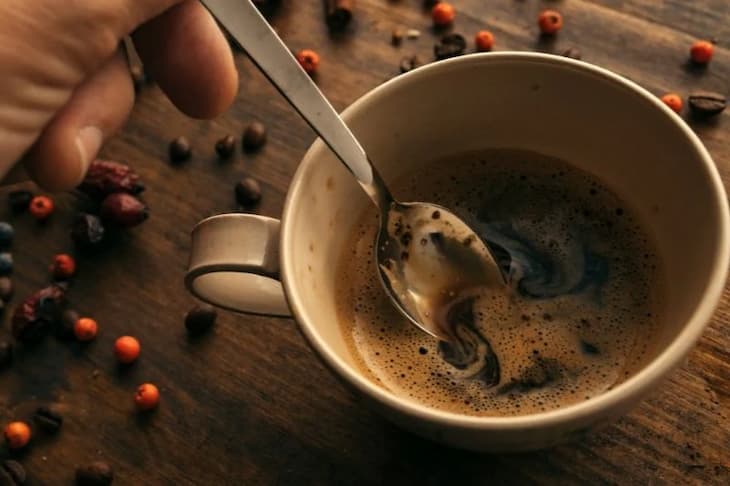
As the name suggests, flavourful coffee that’s decaffeinated is a beverage that has had most of its caffeine removed. While not completely caffeine-free, the majority of the stimulant is taken out during the processing, leaving only a tiny amount of it. The major point to note in this regard is that even decaf starts as high-quality coffee beans. The difference happens before the roasting stage.
A variety of processes are used for the removal of caffeine, with each trying not to damage the flavour of the bean and to delicately extract the stimulant. Perhaps the most popular is the Swiss Water Process, which utilises water and activated carbon to pull caffeine out without adding chemicals. This process is favoured by people who want a clean, natural approach. Another method uses carbon dioxide, which is highly effective at targeting caffeine molecules while leaving the rest of the bean intact. Older methods utilised chemical solvents, though these are far less common today and are often heavily regulated to ensure safety.
Once the caffeine is removed, the beans are dried and roasted just like regular beans. This is where the flavour really develops. A good roaster is able to create decaf varieties that taste rich, aromatic, and full-bodied. Because caffeine itself has a slightly bitter edge, some people actually find decaf smoother and easier to drink. The result is a cup that looks and tastes like coffee but feels softer on the body, especially for those sensitive to stimulants.
Decaf can be a good option for people who have problems with caffeine side effects. These can include anxiety, a racing heart, digestive discomfort, or general restlessness. Even one cup of strong coffee can be too much for some. Decaf offers the same cozy and familiar experience without sending the body into overdrive.
Another positive aspect of coffee that’s decaffeinated is that it allows you to enjoy coffee’s flavour at any time of day without affecting sleep. Many people find it difficult to drink the regular version in the afternoon because it interferes with their sleep. Switching to decaf lets you enjoy an evening cup without risking staying awake longer than planned.
There is also an argument to be made for balance: if you love drinking several cups a day and yet want to keep your caffeine intake in check, then going between caffeinated and decaf can keep you even throughout the day. Several people combine having a normal coffee in the morning with its decaf version later on; this keeps it enjoyable without that late-day crash that usually follows too much caffeine intake.
Decaffeinated coffee still contains antioxidants, something that many people appreciate, as they support overall well-being. Certain antioxidant levels may fluctuate slightly during the decaffeination process, but general levels are respectable within this drink. This makes it a pleasant addition to your daily routine, not only in terms of taste but also for general health.
Making decaf part of your day can be as easy or as thoughtful as you like. For the best flavour, it pays to treat it the same way you would any other coffee: freshly ground beans always have a stronger, richer taste when compared to pre-ground versions. If you like brewing at home, consider grinding in small batches so the flavour will stay fresh.
It is also worth experimenting with roast levels: Light roasts are usually bright, slightly fruity in flavour, medium roasts strike a warm, balanced tone, while dark roasts are bold and smoky-perfect for those who like an intense cup. Due to the fact that decaf tends to taste a bit smoother, dark roasts can be a great choice if you’re after that deep café-style profile without the accompanying buzz of caffeine.
Coffee, decaffeinated, has come a long way from its old reputation. Today, it is full of flavour and smooth, crafted with the same detail as any other high-end blend. Whether you are sensitive to caffeine, trying to improve your sleep, or simply want the option of enjoying coffee more often, decaf is a highly accessible and palatable solution.