29
Dec
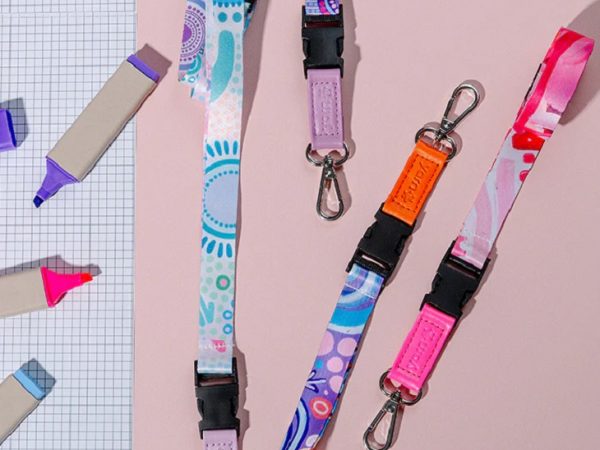
Choosing a lanyard may seem like a simple task, but that’s where you’d be wrong. These little accessories do so much more than hold an ID card or keep keys safe. Lanyards have become everyday essentials for workplaces, schools, events, and anyone who wants to keep important items within easy reach. What’s also great is that today lanyards come in several colours, patterns, and materials, which makes them not just functional but also a fun way to show a bit of personality.
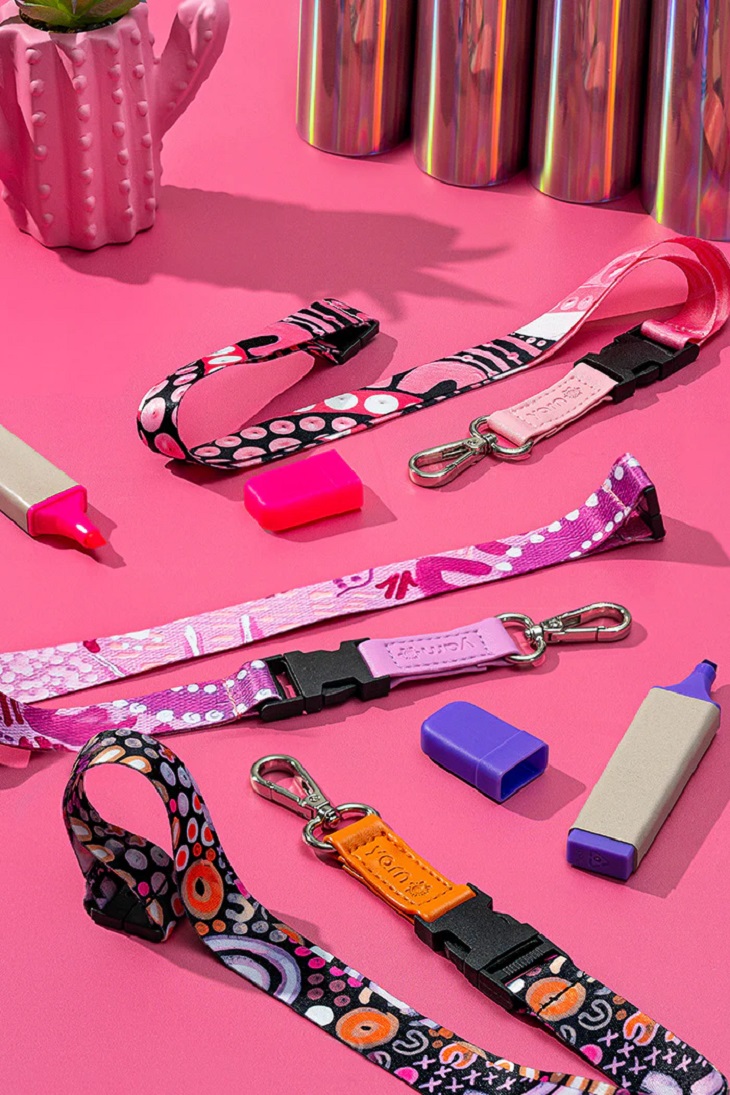
For many people, the biggest surprise will be the variety of lanyard card holder types available. The classic polyester style remains the most common due in large part to its durability, comfort and affordability. If you want something sturdy enough for daily wear, polyester is the way to go. Offering a smooth, soft texture, satin lanyards are going to look polished without being overly formal.
Another variety is the woven lanyard, which stitches the design right into the fabric. This kind works great for people wanting something that will last and not fade out with time. There are also eco-friendly lanyards made from recycled materials that are becoming a favourite for schools, community groups, and other organisations that look for ways to reduce their waste.
Then there are functional variations, including breakaway lanyards that have a safety clip that pops open if the lanyard is pulled too hard. These are used in great numbers across a wide range of industries, including healthcare and education, where the safety of every individual is of paramount importance. Detachable buckle lanyards also make it convenient for you when you need to access your keys or ID cards frequently and don’t want to have to remove the whole lanyard.
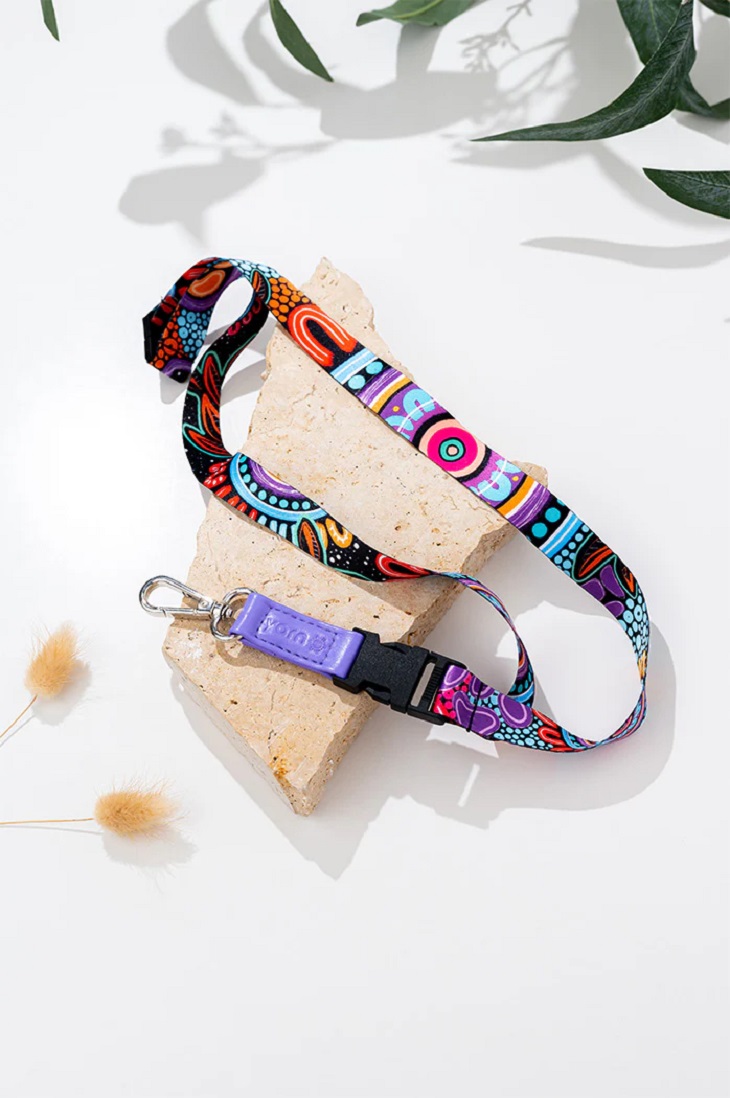
When it comes to designs, the lanyard has come a long way from the plain, single colour band that most people remember from years ago. Today it’s an accessory that’s bold, expressive, and full of personality. One option where fashion meets function that is growing in popularity is the standout Aboriginal lanyard. These designs often feature bright colours and striking patterns inspired by shapes, stories, and natural elements. They are visually captivating, celebrating a rich cultural tradition.
Given the appearance of art, each one seems to be more of a wearable small canvas rather than just being a candid accessory. Colours tend to be warm and earthy or vibrant and energetic, depending on the style of the artwork. The flowing lines, dots, symbols, and organic shapes come together to create an Aboriginal lanyard design that stands out from the crowd. People love these lanyards not only because they are beautiful but also because they carry a sense of identity, connection, and creativity along with them. Wearing one makes something as ordinary as holding your keys feel a little more meaningful.
Lanyards provide one of the easiest ways to keep ID cards visible and secure in office environments. Most places of work demand swipe access or photo identification; wearing a lanyard saves time and keeps cards from getting lost. They also keep teams organised during big meetings, conferences, or training sessions since names and roles are easy to see. In companies that welcome visitors or even run community events, lanyards make check-ins smoother and help staff identify guests who are authorised.
Schools would not function efficiently without lanyards. Teachers use them for keys, identification badges, and whistle attachments, while students wear them to hold their bus passes or electronic access cards. They come in handy in big schools because both staff and students are always on the move. Lanyards minimise the chances of losing things and also allow the administration teams to have an easy time when trying to distinguish students who should be on campus during busy times.
Events of all sizes use lanyards because they are practical and easy to customise. A weekend festival may be dealing with different volunteer schedules, while a charity event or sports competition needs to handle varying levels of VIP passes, staff, and volunteer credentials. Guests often appreciate the ability to keep the lanyard as a small souvenir, particularly when the design is fun.
Lanyards are surprisingly useful in ordinary life outside of professional or organised settings. Many people use them to carry keys when walking the dog, going for a run, or stepping out for quick errands. They’re also pretty great at holding USB drives, small pouches, or anything you want to keep within reach.
Choosing the right lanyard comes down to three simple considerations: comfort, style, and function. First, make sure the material feels comfortable around your neck, especially if you plan to wear it for long periods. Secondly, select a design that appeals to your personality or the environment in which you will use it.
If you want something catchy yet meaningful, Aboriginal lanyards will do the job with its beautiful colours and meaningful artwork. As far as function goes, consider the purpose, the environment and what you find to be most useful in terms of versatility (whether used for keys, ID or pass), buckle detachability and break-away safety strap.
Lanyards may be small, but they’re incredibly practical and more stylish than ever. With so many types, designs and uses, they’ve become a handy accessory that suits almost every lifestyle. It doesn’t matter whether you like it artistic or functional, or you just want something easy to use, the perfect lanyard will bring convenience into your daily routine and add a bit of personality along with it.