21
Jul
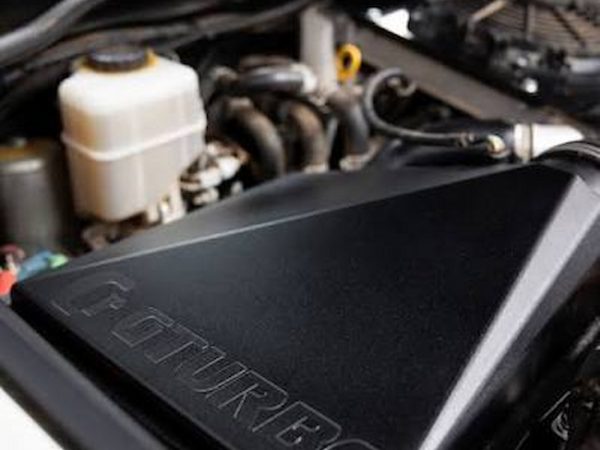
It’s a fact: while aftermarket fans and body kits are readily celebrated for their ability to duct cooling air into engine compartments, experienced auto tuners know that when it comes to cold air induction, the condition of the air being taken in is actually more important than the volume. That’s because large volumes of turbulent and unregulated air can create a host of long-term reliability problems, especially with off-road turbodiesels.
Tuners understand that the only way to avoid less than optimal off-road air induction is by investing in air intake and ducting systems that are designed specifically for the demands of turbocharged diesel engines. That’s why turbo-tuners in Australia trust GTurbo components for all their heavy duty diesel induction needs.
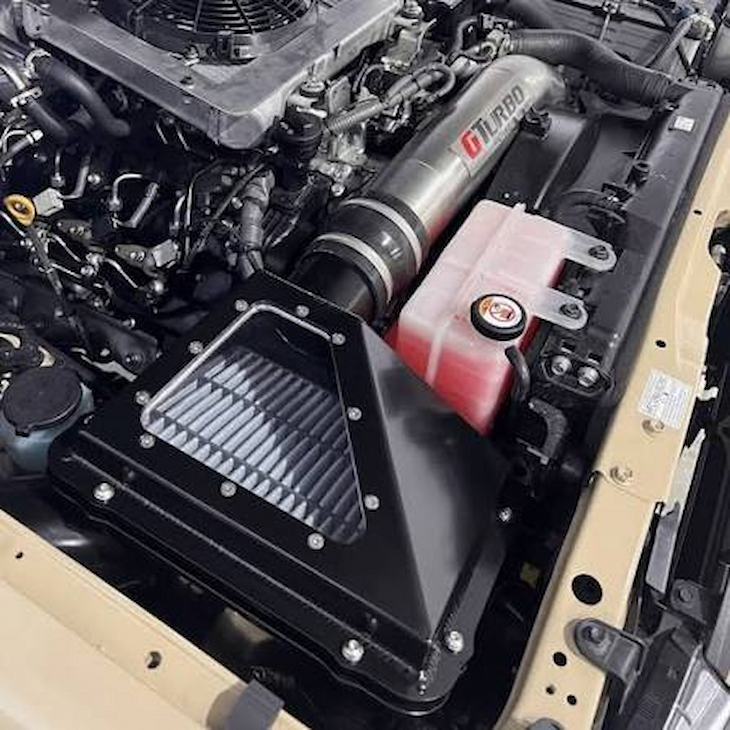
For more than a decade, Western Australia’s GTurbo has been at the forefront of power package development for some of the country’s most renowned 4WDs and turbo diesels. They’re particularly proud, however, of their rugged lineup of high volume diesel air boxes which, when teamed with any of their premium output turbos, is capable of delivering a 20 – 100% output increase with only ECU remapping.
Fit is the primary concern when it comes to aftermarket air box design, and GTurbo boxes are direct-fit replacements for factory boxes. A properly designed air intake box doesn’t have to abandon its factory mounting location to deliver maximum amounts of dense cooling air, which is why GTurbo assemblies are the box of choice for a wide array of Aussie off-road royalty, including:
GTurbo high performance air intake boxes aren’t just designed to utilise the manufacturer’s intended space restraints. They’re built especially to withstand the demands placed on heavy duty turbocharged systems in harsh, high temperature environments. No other aftermarket air intake box manufacturer comes close to GTurbo in long-term reliability – a quality that also includes optimised performance over its, and the engine’s lifetime.
Whether it’s in their ability to maximise airflow throughout an engine’s full RPM range, or their effectiveness at preventing under-bonnet temperatures from nullifying performance gains, GTurbo airboxes owe their reliability to a core of strong construction characteristics. And while factory-installed diesel airbox assemblies are generally more than sufficient for most driving conditions, only the most stringently built boxes are capable of providing the kind of cool, steady air supply that’s needed to overcome Autralia’s toughest outback tracks. Fortunately, that’s precisely what 4WD owners can expect from GTurbo airboxes.
Premium materials and uncompromising engineering are what’s needed to build a superior quality auto air box, and GTurbo sets the bar with a range of build attributes that include:
GTurbo airboxes are also designed to be used with either standard OE air filters or their own line of high-flow, dry-style airbox diesel filters. These multi-layered filters are constructed from advanced synthetic filter media, and are optimised for exceptional airflow and throttle response in environments where extreme heat and dust are commonplace. They still require proper service and maintenance for optimal longevity though, which is why arguably the most critical aspect of airbox reliability revolves around defining and adhering to a regular airbox maintenance schedule.
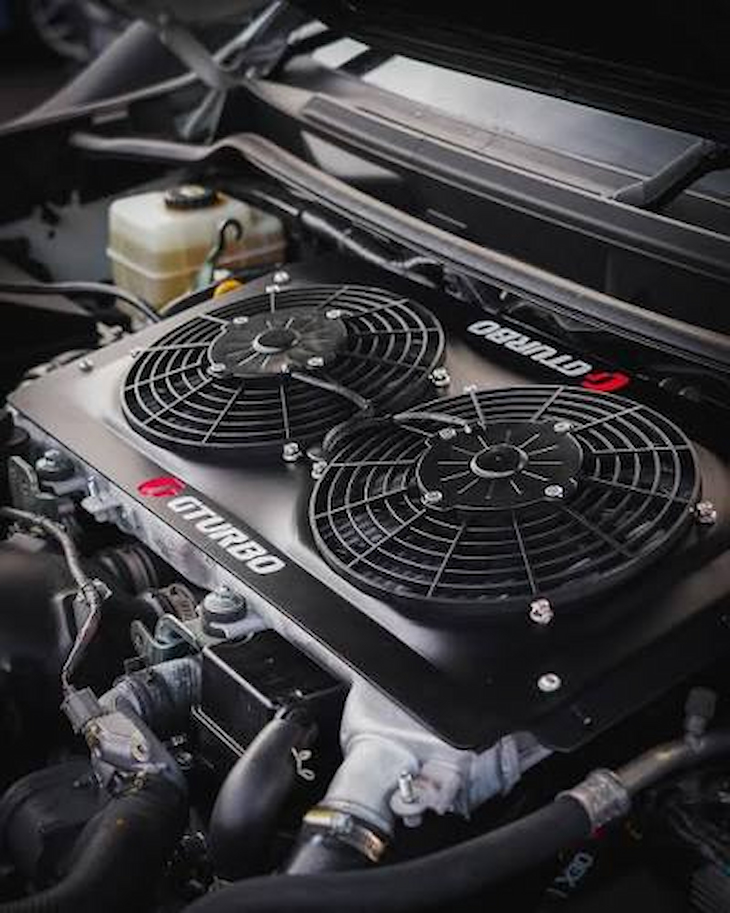
Make no mistake: regular airbox inspection is the most important step a 4WD owner can take to guaranteeing their assembly’s, and ultimately their turbo’s longterm serviceability. Not only can the fine dust abrasion to compressor blades result in a significant reduction in turbo performance, it can also lead to catastrophic turbo failure. That means proper airbox maintenance is as much about the longevity of the turbo as it is about the serviceability of the airbox itself.
There are three principle airbox attributes that should be inspected regularly to be sure that the assembly is performing consistently at its highest level:
A clean and serviceable airbox with fresh filter media will also have a positive effect on fuel consumption. By relieving an engine of excessive and difficult breathing restrictions, it doesn’t have to burn extra fuel to produce the desired output.
At the end of the day, reducing the amount of power-robbing turbulence and unregulated engine compartment air can make a world of difference in turbo performance. And for 4WD turbodiesel owners who are especially fond of spending time off-roading and are anxious to boost engine output, replacing their vehicle’s factory induction assembly should be the first engine tuning step they make.
GTurbo high volume air boxes are the high performance, high reliability solution for bad underbonnet air. They’re an investment in longevity that turbodiesel owners can’t afford to ignore.