07
Jul
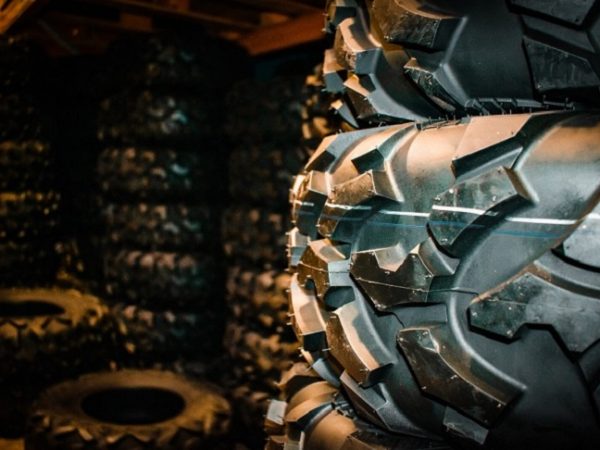
Tyres are one of the most important components of any all-terrain vehicle. They influence traction, steering response, braking performance, ride comfort and even fuel efficiency.
While engine power often receives attention, the ability to transfer that power to the ground depends heavily on the tyres fitted to the vehicle. A tyre that performs exceptionally well in one environment may struggle in another, making selection far more important than many riders realise.
Terrain, weather conditions, riding style and vehicle load all play a role in determining which option will deliver the best results. Whether navigating muddy tracks, sandy dunes, rocky trails or mixed terrain, choosing the right setup can significantly improve control and overall riding experience.
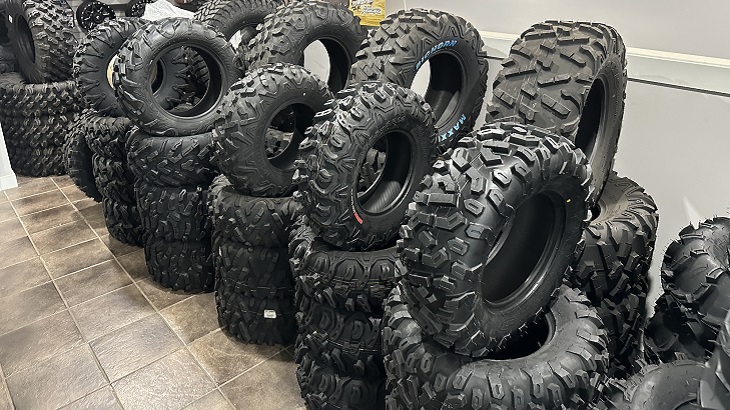
Different riding environments demand different characteristics from ATV tyres. Tread design, lug depth and tyre profile all affect how effectively a vehicle grips the ground and clears debris during operation.
Mud-focused tyres typically feature deeper, more aggressive tread patterns designed to dig through soft surfaces and maintain forward momentum. Sand-oriented options often have wider profiles and paddle-style tread designs that help prevent sinking while improving flotation. All-terrain varieties aim to balance traction, durability and comfort across multiple surfaces, making them popular among recreational riders and property owners.
Snow and loose-gravel applications place their own demands on tyre performance. In these conditions, tread spacing becomes particularly important because it helps shed material rather than allowing it to pack into the grooves. Understanding where a vehicle will spend most of its time remains one of the most effective ways to narrow down suitable tyre choices.
Riders seeking dependable performance often find that choosing the right rugged and durable ATV tires for their primary terrain delivers better long-term results than focusing solely on appearance or tread depth.
Construction plays a major role in how ATV tyres perform. The two most common designs are bias-ply and radial. Bias-ply tyres use overlapping layers that create a strong sidewall.
This construction is often valued in rough environments where impacts from rocks, roots and debris are common. Radial tyres use cords arranged at a different angle, allowing the tread to flex more independently from the sidewall. The result is typically a smoother ride, improved ground contact and enhanced comfort over longer distances.
Tread pattern selection also affects performance. Closely spaced tread blocks generally provide a smoother ride on firmer surfaces, while wider spacing improves self-cleaning ability in mud and loose terrain. Riders frequently ask whether a more aggressive tread automatically means better performance.
In reality, excessive tread aggression can increase vibration, reduce comfort and accelerate wear when used on unsuitable surfaces. Matching tyre characteristics to actual riding conditions is often more effective than simply selecting the most aggressive option available.
Tyre size markings contain valuable information about width, height and wheel compatibility. Selecting the correct size helps maintain intended handling characteristics and ensures proper clearance around suspension and body components.
Load ratings and ply ratings are equally important considerations. Higher ply ratings generally indicate resistance to punctures and damage, making them useful in demanding environments or heavier loads. However, a stronger tyre may also ride more firmly, creating a trade-off between durability and comfort.
Many riders also wonder how long ATV tyres last. Lifespan varies considerably depending on terrain, riding habits, inflation pressure and maintenance practices. Frequent operation on abrasive surfaces can wear the tread significantly faster than use on softer ground. Understanding these factors before purchasing can prevent disappointment and unnecessary replacement costs.
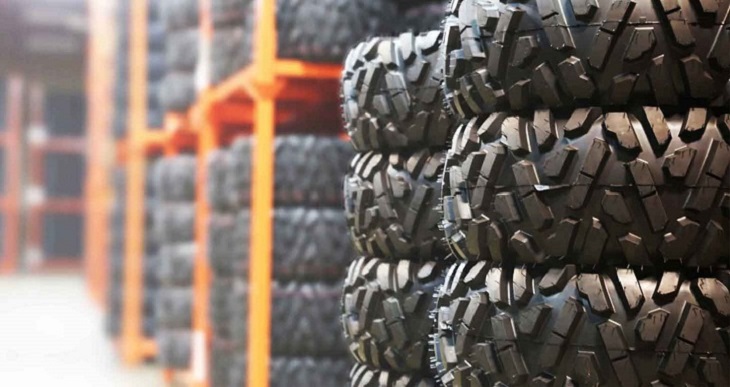
Tyre pressure has a greater effect on performance than many people expect. Lower pressures can increase the contact patch and improve grip on softer surfaces, while higher pressures may reduce rolling resistance and improve stability on firmer ground. Because ATV tyres often operate at relatively low pressures compared with road vehicles, even small adjustments can noticeably alter handling characteristics.
Exposure to sunlight, extreme temperatures and prolonged storage can also affect tyre condition over time. Rubber naturally ages, even when the tread remains. Cracking, hardening, and loss of flexibility may eventually compromise performance regardless of remaining tread depth. Regular inspection, therefore, remains just as important as monitoring wear.
By understanding how different ATV tires are designed to perform and factors that influence their longevity, riders can make more informed decisions that improve control, comfort and reliability. A well-matched set of tyres not only enhances the ATV riding experience but also helps ensure that every journey, whether recreational or work-related, starts with the right foundation.