11
May
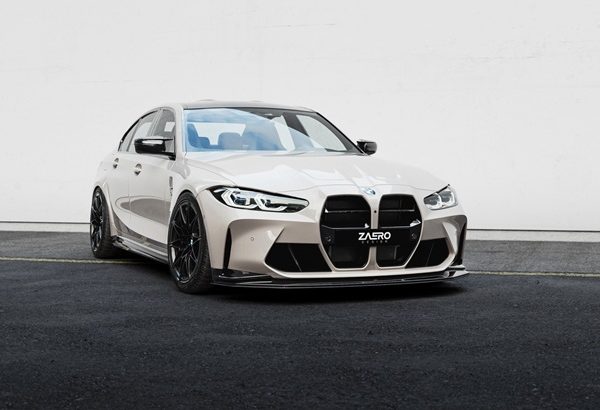
In the world of automotive upgrades, aftermarket solutions are often found to be the more suitable approach, especially when seeking custom or specific improvements. Not only are aftermarket upgrades more fine-tuned, but they are also more affordable and often provide a better result for a longer time, and the same applies to body kits. Just like lift kits, aftermarket body kits are also used to upgrade existing components or bolt straight onto them, depending on the type of kit you go for.
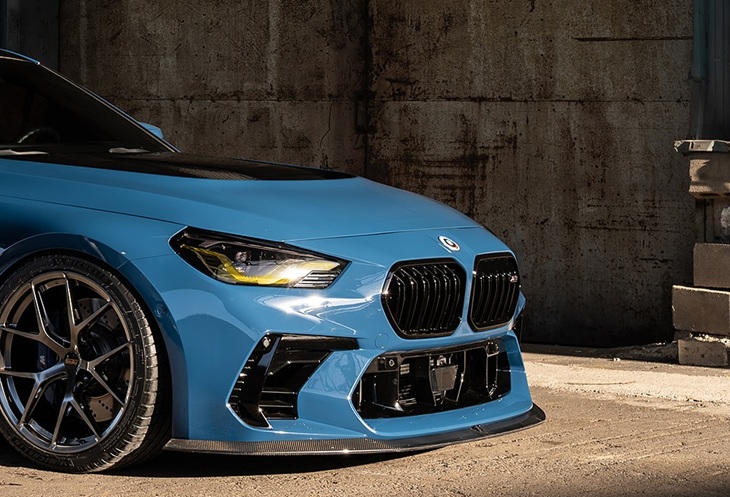
The simplest and easiest to install body kit you’ll come across is a lip kit. It usually comes with only a small piece that goes on the lower part of the front bumper, which is why it’s called a lip. A lip body kit for cars provides minimal visual changes but can deliver a noticeable improvement in downforce at higher speeds.
As you’d expect, a bumper kit comes with a new bumper, front or rear, or both. With a different bumper or two, you can improve both downforce and front-end lift, which is significantly greater compared to a lip kit. Bumper car body kits also allow you to make a more prominent change in appearance.
With a wide body kit, you get wider wheel arches and side skirts. This way, you get to not only widen your vehicle enough to make it more stable as more air hits the sides, but you also get to put wider tyres on it. The latter can further improve stability and make it easier to enter and exit corners while carrying higher speeds.
If you want all of the above trim pieces as well as a rear diffuser and/ or a spoiler, you should go for a full kit. With it, you can improve stability, reduce drag, and increase downforce the most, since you install everything available in terms of exterior performance parts. Just be prepared for it to be more expensive and take more time to install.
Another factor that affects the cost of a body kit is the material the trim pieces are made of. Polyurethane, being the middle ground between fibreglass and carbon fibre pieces, is the most adequate in terms of strength and durability. It’s quite tough and long-lasting, but it can’t take a lot of heat, and scratches show up a lot easier than on the former two.
The most affordable and easiest to replace body kit material is fibreglass. Fibreglass pieces are also super light and flexible, meaning they don’t add much weight and don’t crack as easily. However, they can get damaged much more easily than polyurethane or carbon fibre pieces.
The strongest option here, made from a single strain of fibres, is carbon fibre. This material is the most expensive, but it offers long service life while remaining lightweight and temperature-resistant. Its only major downside is that if it’s not manufactured correctly, it can fall apart on its own.
With a composite body kit for cars, you get all of the benefits of the aforementioned materials. Mixed in together with resins, composite pieces are the strongest, most durable and lightest, but they are also the most expensive. However, if you like how they look and want to keep them for a long time, they make for quite a cost-effective purchase.
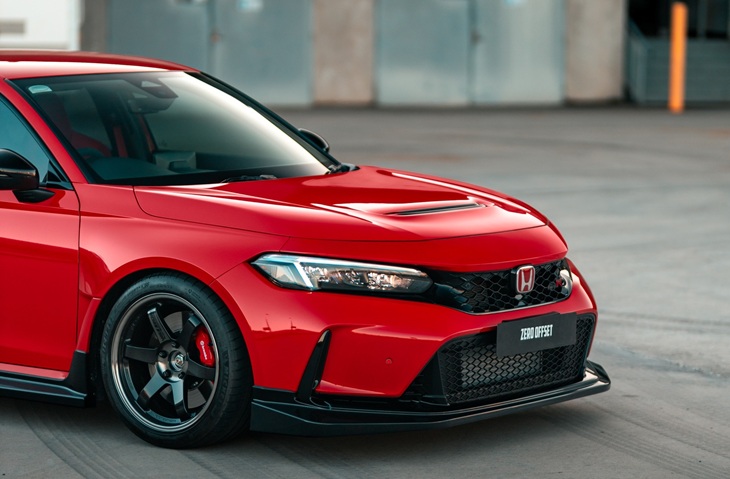
The most underrated difference that you won’t see or feel that much is the aerodynamic shape of your vehicle. Aftermarket body kits are made to reduce drag, meaning the amount of pressure air puts on your vehicle while moving. The less pressure there is, the less friction and the easier it is to propel your vehicle. This helps reduce fuel consumption.
Alongside a sleeker aerodynamic profile, your vehicle can also benefit from improved performance on winding roads and on the track. The wider stance, increased downforce, and reduced front lift can all contribute to a car that is easier to take through corners and can accelerate more quickly.
Although body kit materials are not exceptionally strong, they are still durable enough to protect body panels. Whether from bird droppings, UV rays, stone chips, or minor bumps with other vehicles or poles, they can help preserve the original paint better than a wrap or ceramic coating, and at a lower cost.
Another almost inevitable factor is the upgrade in curb appeal. Most car body kits are made so that they also make your vehicle look more modern, retro or aggressive, depending on what you’re after. This way, you can change its appearance without doing any major modifications.