08
Jun
Magnetic equipment may look simple, but it solves some of the most frustrating problems in workshops, garages, construction sites, and even homes. From picking up dropped screws in tight spaces to holding metal parts securely during repairs, these tools save time, reduce effort, and improve precision. They minimise the risk of losing small metal objects and make difficult jobs far more manageable. Designed for convenience and reliability, a magnetic tool has become essential for anyone who values speed, accuracy, and a smoother workflow.
Whether the task involves lifting heavy steel materials, retrieving dropped screws, or organising a busy workspace, attract better results with heavy-duty magnetic tools. Understanding the most common types can help users choose the right option for their needs while creating a cleaner, more organised, and more productive working environment.
Magnetic pick-up tools are designed to retrieve screws, nails, bolts, and other metal objects from hard-to-reach places. They are especially useful in garages, workshops, and construction sites where small metal parts can easily fall into narrow gaps or dangerous areas. Many models include telescopic handles or flexible shafts, making retrieval faster and safer. These tools also help reduce downtime by preventing workers from wasting time searching for dropped items.
Magnetic sweepers are heavy-duty cleaning tools used to collect metal debris from floors, driveways, warehouses, and worksites. They attract nails, screws, wire, and metal shavings that could otherwise damage tyres or cause injuries. Some are handheld, while larger versions can be pushed, towed, or attached to forklifts for industrial-scale cleaning. Quick-release systems make disposal simple and efficient, which is why these tools are widely used in construction and manufacturing environments.
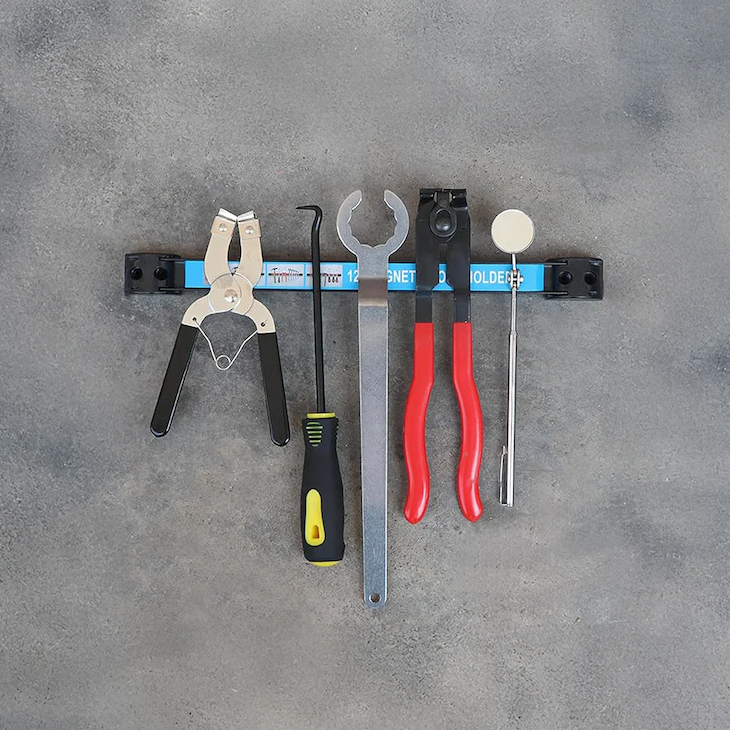
Magnetic tool holders are ideal for organising workspaces and keeping frequently used tools within easy reach. Mounted on walls, workbenches, or inside vehicles, they securely hold metal tools such as hammers, pliers, screwdrivers, and spanners. These holders improve efficiency by reducing clutter and helping users locate tools quickly. Strong permanent magnets provide reliable holding power, making them suitable for both professional workshops and home garages.
Magnetic lifters are designed for handling heavy steel materials safely and efficiently. They use powerful magnets to lift metal sheets, pipes, and industrial components without the need for clamps or hooks. Commonly used in warehouses, factories, and construction sites, magnetic lifters improve productivity while reducing the risks of manual handling. Many models feature release levers that allow operators to disengage the magnetic force safely once the load reaches its destination.
Magnetic separators and swarf cleaners are specialised tools used in industrial and manufacturing settings. Separators remove unwanted metal fragments from flowing materials, such as liquids, powders, or bulk goods moving through production lines. Swarf cleaners, on the other hand, extract metal shavings and particles from machinery and work surfaces, preventing equipment damage and maintaining smooth operation.
In industries such as food processing and metal fabrication, these help maintain cleanliness, improve product quality, and enhance workplace safety. By efficiently collecting fine metal particles, they reduce contamination and protect equipment from damage.
Magnet strength plays a major role in the performance and reliability of magnetic tools. Stronger magnets offer great holding power, making them ideal for lifting heavy materials, securing tools, or collecting metal debris efficiently. The required strength often depends on the intended application, as lightweight household tasks may need moderate magnetic force, while industrial environments demand high-powered magnets for safety and precision. Neodymium magnets are commonly used because they offer exceptional strength in a compact size.
Build quality is essential when choosing, especially for demanding work environments. High-quality materials such as durable steel, reinforced plastic, and corrosion-resistant coatings help ensure long-lasting performance and reliability.
A well-constructed magnetic gear can withstand frequent use, heavy loads, and exposure to dust, moisture, or harsh conditions without losing effectiveness. Strong handles, secure magnetic attachments, and smooth operating mechanisms also improve comfort and safety during use.
Investing in tools with excellent build quality reduces the risk of breakage, improves efficiency, and provides better value over time, making them a dependable choice for both professionals and DIY users.
Size and portability are important factors when selecting the right magnetic gear for the job, particularly for users who work in different locations or tight spaces. Compact and lightweight alternatives are easier to carry, store, and manoeuvre, making them ideal for mobile tradespeople, mechanics, and DIY enthusiasts. Portable options, on the other hand, can quickly fit into toolboxes, work belts, or vehicle compartments without taking up excessive space.
At the same time, larger magnetics may provide greater lifting power or wider coverage for industrial applications, such as cleaning large areas or handling heavy metal materials. The key is choosing a size that balances convenience with performance. Features such as telescopic handles, foldable designs, or ergonomic grips can also improve portability and ease of use.
Proper maintenance helps your tools remain effective, safe, and long-lasting. Regularly clean the magnetic surface to remove metal shavings, dust, and debris that can reduce magnetic performance over time.
Store tools in a dry environment to prevent rust or corrosion, especially if they are frequently exposed to moisture or outdoor conditions. Avoid dropping the tools, as strong impacts may weaken the magnet or damage the housing. Inspect handles, moving parts, and protective coatings regularly to ensure everything remains secure and functional.