03
Jun
Choosing food for your fish in the pond can be stressful in the beginning. There are different fish species, different food types, and plenty of advice that often makes things sound more complicated than they really are. Once you understand the basics of what pond fish need and how koi and goldfish differ, it becomes much easier to make the right choice.
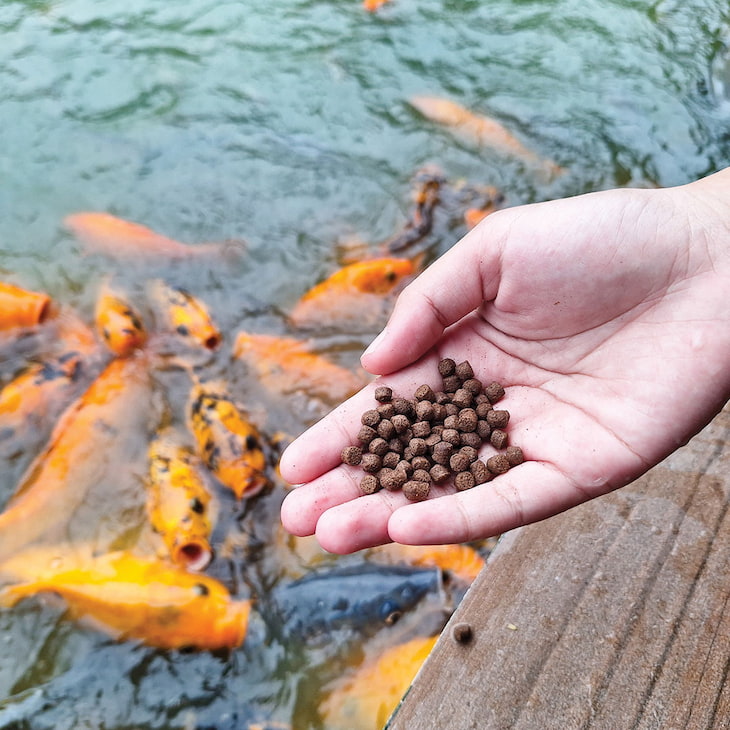
The basic nutrients for pond fish are protein, fats, vitamins and minerals. Protein is for their growth and repair. It’s especially important during the warmer months when they’re more active and need food more regularly. Fats are there to provide fish with energy and keep them active and healthy. Finally, vitamins and minerals support their immune system and help their colour and overall vitality.
It’s important to remember that fish don’t eat the same way throughout the year. When it’s warmer, they have a faster metabolism and need more food. When it’s colder, they slow down, and so the need for high-quality, nutritious fish food reduces. Knowing how much, when and what to feed them is crucial.
These two types of fish usually live in the same pond, but their diet requirements are different. Koi fish are larger, more active and have a strong appetite. If the conditions are right, they grow continuously, which means they need a more nutrient-rich diet to support that growth.
They’ll mostly benefit from high-protein foods, foods that support growth and a strong body, ingredients that enhance their natural colour and regular feeding in suitable water temperatures. Plus, it’s easy to monitor how much they eat because they’re visible eaters and will come to the surface quickly when you give them food.
Goldfish, on the other hand, are smaller and have a slower metabolism. They also need balanced nutrition but not in the same rich quantities. They need food that’s easier to digest, moderate protein levels, smaller portions more frequently and very careful feeding to avoid overfeeding.
Making sure you don’t overfeed them is crucial because it’s a very common issue with these fish. It’s a problem that leads to digestive issues and poor water quality. Compared to koi fish, they’re not aggressive eaters and it’s important to take note of how much food they actually get without excess waste building up.
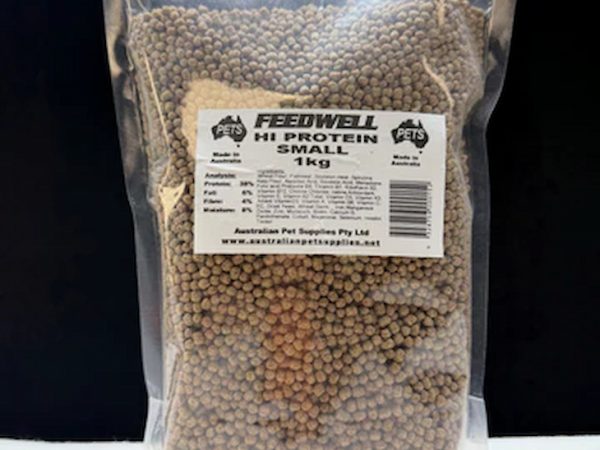
Food comes in different varieties and formats. Each is made with a specific purpose depending on fish behaviour and pond conditions. Floating pellets are a very popular choice. They help prevent overeating because you can see exactly how much the fish eat. They also make it easy to observe fish health, as you can quickly spot changes in appetite. They’re best when used in warmer months when fish are active and feed on the surface.
These types of pellets are great when you have fish that prefer feeding at different depths. Also, when the fish in the pond are more competitive, they can make sure everyone gets their share. When it comes to timing, they’re mostly used in colder weather when fish aren’t that active and don’t feed at the surface.
Wheat germ food is easier to digest and is commonly used in cooler weather. Fish metabolism slows down when temperatures drop. In these conditions, heavy food is difficult for them to digest. This type of food is mostly used in seasonal gaps without stressing the digestive system.
This type of fish food is made to support the development of natural colour. This is very important with koi fish. The food formula includes ingredients that bring out the oranges, whites and reds. They’re best used during warm months when koi fish are active.
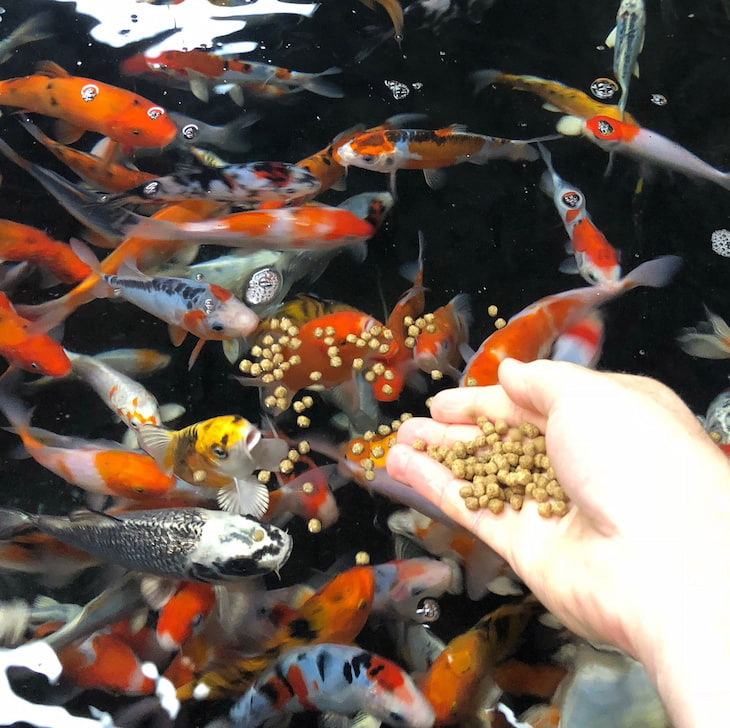
Matching the right food is not just about the type of fish you have. You should also consider the pond conditions. Water temperature is important because it affects metabolism. In warm water, fish need more food and higher protein levels. In cooler water, feeding should be reduced and switched to easier-to-digest options.
A pond that only has koi fish can benefit from rich, flow-focused food. If you have a mixed pond with koi and goldfish, you have to have a more balanced approach. This way, the smaller fish are not overwhelmed or overfed.
It’s widely recognised that smaller, regular feedings are better than giving the fish large amounts of food at once. This reduces waste and keeps the water quality stable. Plus, fish will have good access to food without being overly competitive.
More controlled feeding is beneficial when you’re dealing with a smaller pond or a pond with a lighter filtration system. In this case, excess food for fish breaks down quickly and will affect the water quality.
Mistakes happen and even the most experienced pond owners can sometimes make them. Some of the most common are:
There are a few practical and useful tips that can make a big difference when it comes to feeding fish.
Choosing the right fish food for a pond comes down to understanding three things: the fish species, the season, and the pond environment. Koi need more protein and support for growth, while goldfish need lighter feeding and careful portion control. Add in seasonal changes and different food types, and the right approach becomes quite straightforward.