



14
Sep
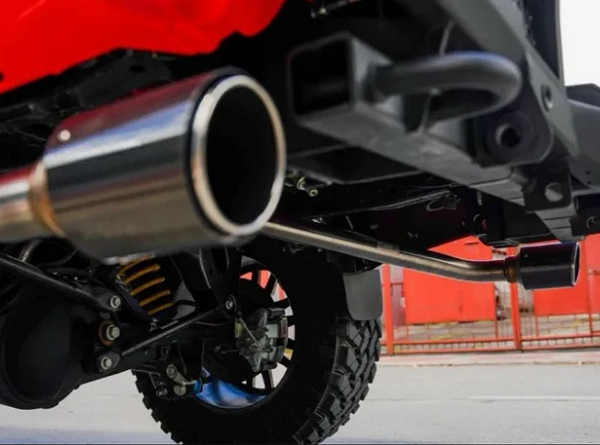
A Simple Guide to Aftermarket Ford Ranger Exhaust Upgrades
It’s no coincidence that Ford’s PJ and PK Rangers, together with their scrappy little cousin from Mazda, the BT-50, continue to be some of the most highly regarded and sought-after 4WDs in Oz. These mid-sized, Aussie-engineered utes were designed to be sturdy enough to tackle the toughest terrain, while still being tame enough to take on peak traffic in Sydney; and they’re longtime favourites of Australia’s aftermarket community, especially when it comes to exhaust systems.
With their hardy 115kW 3.0L turbo diesel powerplants, Gen 3 Rangers have nothing to lose and everything to gain from a low-restriction exhaust system. It’s bolt-on power that doesn’t require you to open up the engine, which is why if you’re looking for a simple guide on what to look for in a proper aftermarket exhaust, you’ve come to the right place.
Time to Enjoy the Benefits of an Aftermarket Ford Ranger Exhaust

Let’s be honest: while the Gen 3’s breathing isn’t shabby, an upgraded turbo back 3.0″ exhaust for Ford Ranger and Mazda BT-50 utes can free up some of the power that these 4-cylinder engines have always been obliged to hold back on. 12kW is a noticeable, easy power increase to be found simply by moving from 2.0” tubing to 3.0” tubing, but that’s not the only benefit that upgrading the Ranger’s exhaust has to offer.
At their core, exhaust systems are tasked just as much with moving excessive heat away from an engine as they are with moving spent gases. And even though power-robbing heat would be problematic anywhere, Australia’s hot climate places a special urgency on moving as much heat away from engines and engine compartments as efficiently as possible.
Beating the heat is also an essential part of preventing damaging thermal fatigue, and a 3.0” Ford Ranger exhaust upgrade helps by achieving the following:
- Scavenging as much hot exhaust gas away from the engine as possible;
- Creating a sufficient amount of flow velocity to encourage quicker exhaust gas removal; and,
- Removing any obstacles that could hamper exhaust gas movement.
Make no mistake, with the Ranger’s 1175kg payload and 3038kg towing capacities, upgrading your Ranger exhaust system is going to generate a welcomed power boost. It’s when you’re driving a tonne of tools out to a job site, pulling a trailer on holiday, or just trying to merge safely into freeway traffic, that the extra power of a 3.0” exhaust is going to come in handy.
Top-Quality Exhausts Begin with Top-Quality Australian Parts
Top quality Australian made, 3.0” turbo back systems for the Gen 3 PJ and PK Rangers, and Mazda BT-50s are exact replacements for their factory-installed systems, and consist of:
- A front dump pipe and connector pipe with double braided flex joint;
- A 200-cell diesel catalytic converter assembly;
- A low-restriction muffler or resonator assembly;
- A side exit tailpipe assembly; and,
- All necessary connection hardware.
TIG welded flanges and mandrel bent tubing help to ensure that these upgraded Ford Ranger exhaust systems have the benefit of minimal turbulence and maximum scavenging. They also don’t require any cutting or welding, are designed to fit both 2WD and 4WD models, and will work with any Gen 3 space-, extra-, or dual-cab configuration. In fact, these Ranger exhaust systems bolt directly to your vehicle’s stock exhaust mounting points, and don’t even require a hoist for the installation.
Here’s Why 409 Stainless Steel Makes the Best Exhaust
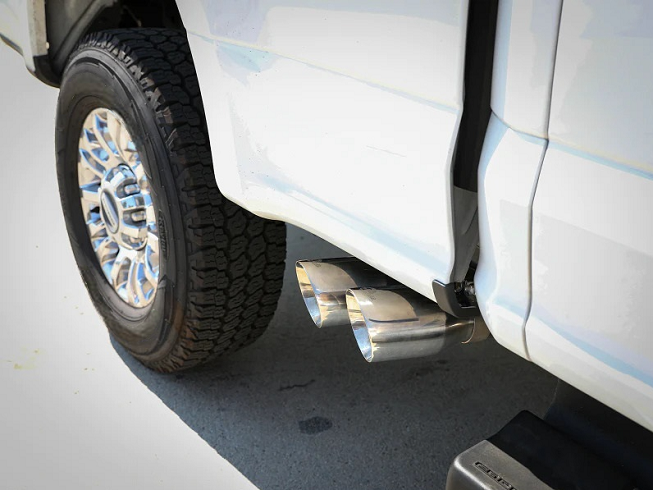
Tube stock is just as important as tube size when it comes to building high-quality exhaust systems, and long-lasting 409-grade stainless steel has all the attributes that you could ask for in an exhaust upgrade. 409 grade stainless is highly formable, making it easier to repair than other grades of stainless; and it also lacks the annealed appearance that’s common with highly polished stainless steels like 304 or 316. That’s because 409’s chromium content oxidizes quickly, forming a passive layer of protective surface rust that protects it from even deeper forms of corrosion.
It’s in the endless battle against heat retention, however, that 409’s heat transfer capacity really proves its worth. 409-grade stainless is 60% more efficient at shedding heat than other stainless steel alloys, giving it a range of premium performance characteristics that include:
- Prolonged heat resistance to 675°C, with acceptable limited exposure up to 815°C;
- Superior resistance to thermal fatigue brought on by heat cycling; and,
- Advanced corrosion protection from exhaust gases or on-road exposure.
409’s exceptional heat transfer capacity can even help minimize the possibility of EGR sensor failures, along with the sudden jump in fuel consumption and loss of performance that it can lead to. In short, 409-grade stainless makes for a Ford Ranger exhaust system that can even save you money in the long run.
Thermal Barrier Coatings Lock in Heat for Added Durability
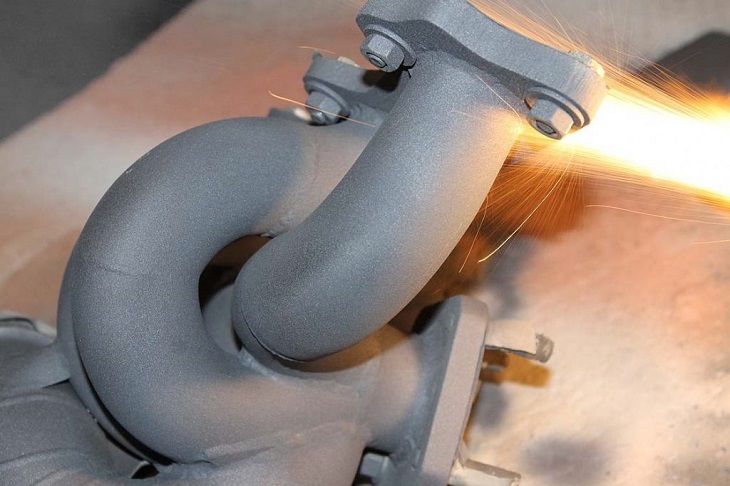
Make no mistake: no matter if it’s OE or aftermarket, keeping as much excess heat away from your engine as possible is one of the most important tasks that any exhaust system for a Ford Ranger can have. And with exhaust gas temperatures easily capable of stretching above 600°C downstream of a turbo, thermal barrier coatings have to be a part of any aftermarket exhaust solution.
That’s why when it comes to high-quality custom exhaust, Ford Ranger systems need to be treated with heat-resistant enamel for maximum thermal assurance. Thermal barrier coatings are formulated to lock in exhaust temperatures in excess of 1000°C, the benefits of which are:
- A reduction in radiated heat levels, both within the engine bay and within the cab;
- A reduction in tubing oxidation due to exposure to extreme temperatures; and,
- An increase in heat retention that can aid in exhaust scavenging as well as turbo spooling.
Ideally, insisting on your upgraded Ford Ranger exhaust system having a thermal barrier coating not only increases the efficiency of the system, it also increases its durability.
The Final Word
At the end of the day, the Gen 3 PJ and PK Rangers are the reason today’s T6 / PX Rangers are now the best-selling utes in Australia. Reliable, straightforward engineering is Gen 3’s greatest attribute, and that approach is even reflected in their aftermarket exhaust offerings.
A turbo back 3.0″ exhaust for the Ford Ranger and the Mazda BT-50 is an affordable, uncomplicated upgrade that can give these hardworking utes a solid performance boost. There’s no simpler, or easier way to unlock their power potential.
11
Jul
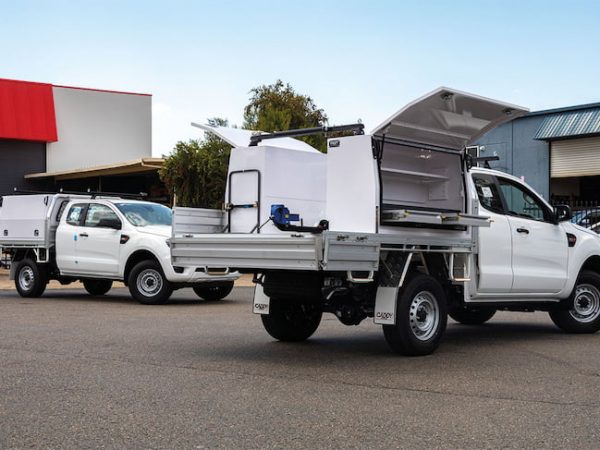
A Simple Guide to Ute Tray Tool Boxes: The Different Types of Ute Toolboxes
Having the right ute tray toolbox is crucial, especially if your job requires you to work with tools. If you don’t have the right toolbox, it will be nearly impossible for you to find the tools that you need when they’re needed most.
Read More →23
May

A Simple Guide to Car Insulation: Benefits of Wool Car Insulation
Deciding to insulate the interior of a van, combi, or any other vehicle that you’re spending a lot of time in is a job that’s well worth the effort. But with a roster of insulating choices that can range from high-density/high particulate rock wool and fibreglass batts, to costly closed-cell spray foams, there’s only one material that has the best qualities of them all: 100% natural wool.
Read More →12
May
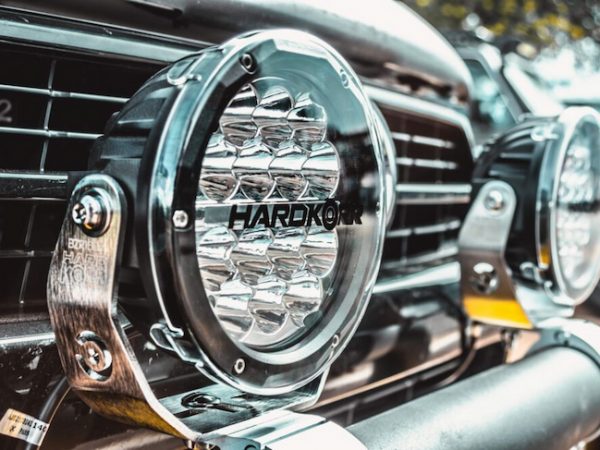
A Simple Guide to Selecting the Best 4×4 LED Driving Light
LED driving lights have taken the 4×4 market by storm, and their popularity isn’t going anywhere, any time soon. LED driving lights provide various benefits over HID and halogen lights, including a cooler operating temperature and longer lifespan.
Read More →08
Mar
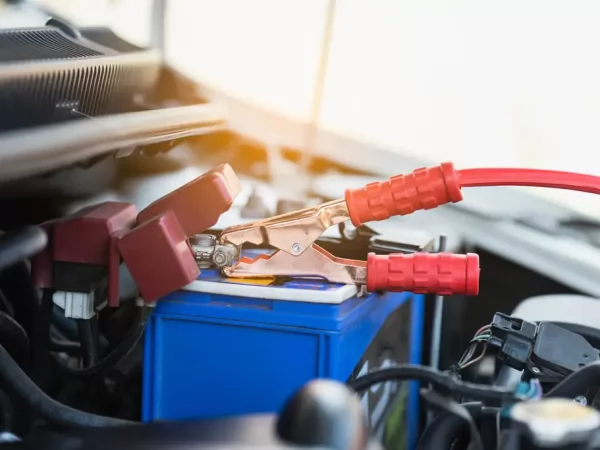
A Simple Guide to Maintaining Your Car’s Battery
Modern vehicles are filled with so many electronics that need to be powered through the car’s battery. Car batteries are designed to do just that, but when they’re drained there can be some complications. It’s important to know how to take care of your vehicle properly so that you don’t end up with a dead battery or other problems because of improper charging. Here are a few ways to avoid losing power in your car:
Keep the Battery Fresh
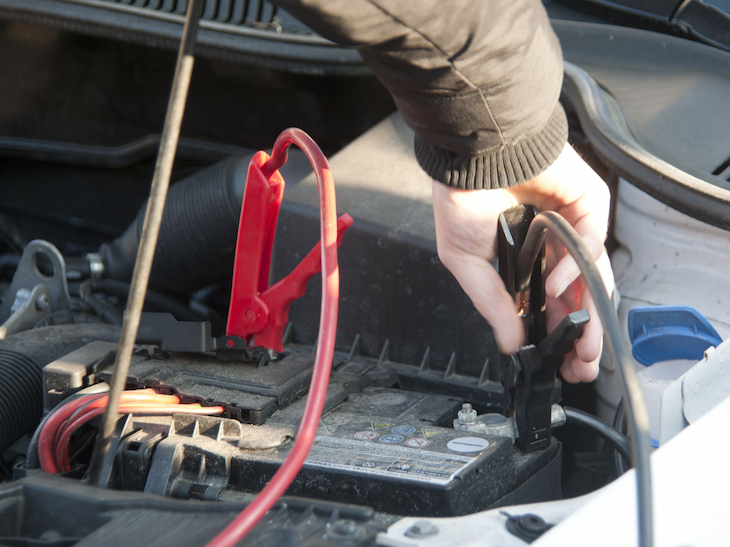
source: caranddriver.com
Modern vehicles have many different electronic components that rely on having a healthy amount of voltage throughout the car’s system. One of these is the starter, which is used to get the engine going when you start your car. When the engine is turned off, the battery provides power for the electronics so they can continue working. If there isn’t enough voltage, the starter will have a difficult time turning over the engine and eventually stop working completely.
To keep the voltage fresh, make sure that you fully charge the battery every three to four weeks unless it’s during cold weather. If you don’t drive much during winter, consider taking the car out once in a while so that the battery doesn’t lose its charge. You should also make sure that you’re using a proper vehicle battery charger when charging your battery and aren’t leaving it plugged in for too long.
Avoid Using Your Car as an Electricity Source
You may have heard of people hooking up their cars to generators, but this can be very dangerous. Generators produce a significant amount of electricity that is much stronger than what’s needed for most electronics. If you connect something that uses a lot of power, such as an air conditioning unit or a television set, it can create a spark that can damage the electronic components in your car. This could lead to some serious problems like a dead battery or even starting trouble.
It’s also important not to plug in any electronics if they’re being used for power outside of the vehicle. Car batteries are designed to provide power when they’re running, but there are other ways of doing this. If you use your car as a source of electricity, you’re putting yourself at risk for serious damage.
Check Your Battery Regularly
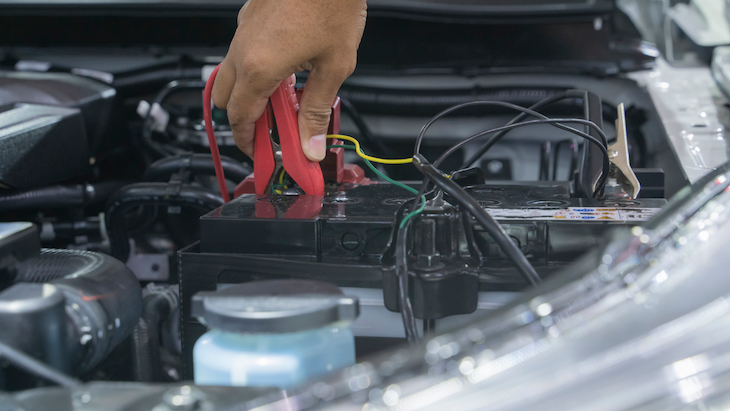
source: auto.howstuffworks.com
One of the most common causes of a dead battery is leaving it discharged for too long. It’s best to check your battery every three months or so and make sure that it has enough power left in it. If not, charge the battery until it’s completely full before disconnecting it from the charger. You should also clean out any debris around the terminals on top of the battery and make sure that they’re clean and free from corrosion.
To check your battery, you can use a voltmeter or test light. The voltage on a fully charged battery should be around 12.6 volts and if it’s below that then you’ll need to charge it up until it reaches that point. You should also do this at least once every year as part of routine maintenance so that you don’t have any problems down the road.
Get Your Car Serviced Regularly
Another important thing to keep in mind is that you should get your car serviced at least once a year. This includes checking the battery and making sure that it’s working properly as well as cleaning out any debris around the terminals on top of the battery. You can also have the battery checked by an expert who will be able to tell if there are any problems with it or if it needs replacing. If you don’t do this, you’re putting yourself at risk for some serious complications with your car’s electronics.
You should also make sure that you’re using a proper vehicle battery charger when charging up your battery, as well as taking care of the voltage in your car whenever possible. If there are any problems with the battery or electronic components, it’s best to take them out and get them repaired so you don’t end up with more serious problems later on.
Keep Your Car Clean
source: detailxperts.net
The last tip for keeping your car’s electronics working is to keep the car clean. This will help to prevent any corrosion or damage that can occur from leaving it parked for too long without driving. You should also make sure that you have enough room in your garage so that the battery isn’t exposed to moisture and other elements outside of the car’s system. If you don’t do this, it’s likely that your car will get damaged over time and need repairs that can be very costly.
These are some tips for keeping your car’s electronics running properly. If you follow them, then you’ll find that your car is a lot easier to maintain and use.
21
Feb

A Simple Guide to 4×4 Recovery Equipment
Recovery equipment is essential when off-roading. It helps you get back on track after a fall off the trail. It can include anything from tow straps to airbags that help your vehicle get out of sticky situations such as mud, sand or even a rock wall. Recovery equipment is not just for when you go off-road; it’s also good to have in case you ever get stuck in your driveway!
Read More →01
Feb

A Simple Guide to Car Interior Lights: The Best 4 Options on the Market
Using LED panel lights to illuminate the interior of your vehicle has become a popular choice for many drivers. They are energy efficient, long-lasting, and produce far less heat than traditional bulbs. But how do you go about choosing the best LED panels for your car? Read on as I’ll show you some of my top picks.
Read More →31
Jan
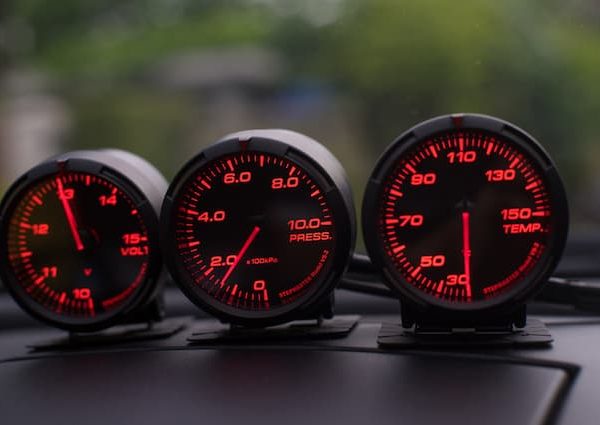
A Simple Guide to Car Gauges: 3 Must-Have Gauges to Have When Going Off-road
The Outback is as harsh as it gets. Scorching heat, dust, haze, and except for a few poisonous critters, not a soul in sight. This isn’t your favourite place for a breakdown. Traversing this part of the country means you’re aware of the hazards and have your vehicle adequately prepared. Think basic protective gear, a decent suspension setup, and grippy tires to make light work of loose surfaces and anything that comes your way. What’s also important is having the basic info as to what’s exactly happening under the bonnet.
Read More →24
Jan
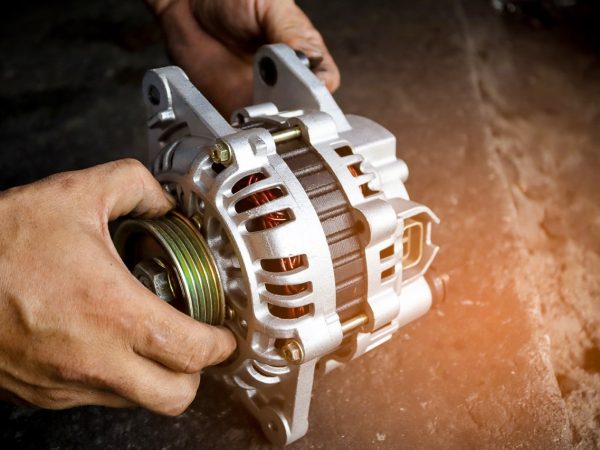
A Simple Guide to Car Alternators and Their Common Failures
Alternators play a crucial role in cars, as they are what provide power to the vehicle when its engine is not on. They do this by turning a magnetic field created by a coil, which then sends electricity through a wire that connects to the car’s battery. When the car is running, the alternator uses the difference in voltage between the car’s battery and its own internal voltage to produce more current – the thing that powers your vehicle.
Read More →